The 2026 NAR Regulatory Issues Forum convened a standing-room-only session at the REALTORS Legislative Meetings in Washington D.C. featuring White House Office of Science and Technology Policy Director Michael Kratsios. The session addressed who bears liability when an AI tool harms a consumer, the roughly 1,800 active state-level AI legislative measures, and the federal preemption debate. Every Realtor using AI tools in their practice needs to understand what was discussed. The forum was chaired by Cyndee Haydon, 2026 NAR Regulatory Issues Forum Chair and Broker Associate with Future Home Realty’s Sandbars to Sunsets Team.
Key Takeaways:
- The NAR Regulatory Issues Forum drew one of the largest standing-room crowds at the 2026 REALTORS Legislative Meetings, signaling the urgency Realtors feel about AI tools in their practice.
- White House OSTP Director and Assistant to the President Michael Kratsios joined the session via fireside chat, discussing the administration’s push for a unified national AI framework.
- The developer-versus-deployer liability question will directly determine how Realtors are held accountable when AI tools produce errors that harm consumers.
- Roughly 1,800 active state-level AI legislative measures are in play, and the federal preemption debate will determine whether Realtors face one national standard or 50 state rules.
- The forum was chaired by Cyndee Haydon, 2026 NAR Regulatory Issues Forum Chair, 2026 Florida Realtors Treasurer, and founder of the AI That’s Easy Implementers Club.
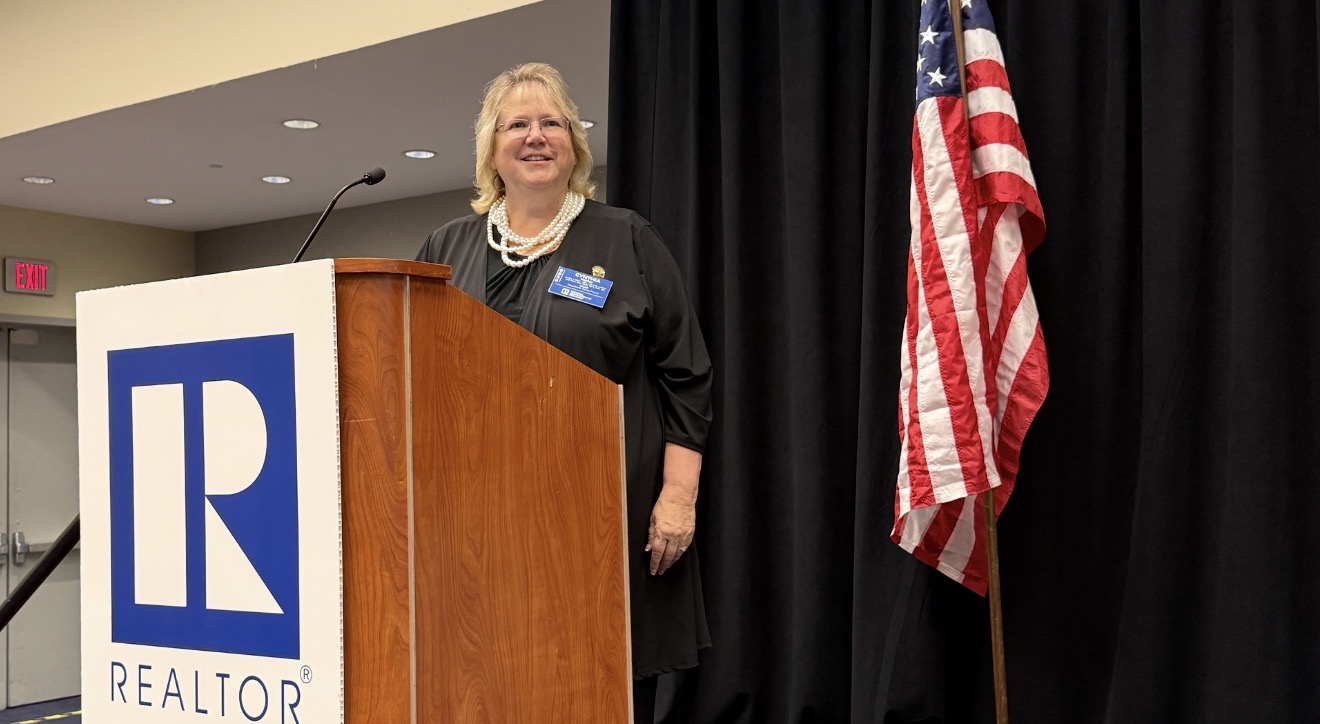
Cyndee Haydon, 2026 NAR Regulatory Issues Forum Chair and Broker Associate with Future Home Realty, opens the AI regulation session at the REALTORS Legislative Meetings, Walter E. Washington Convention Center, Washington D.C., June 15, 2026.
Why Did the NAR Regulatory Issues Forum Draw a Standing-Room Crowd in 2026?
The 2026 NAR Regulatory Issues Forum session on AI regulation drew a standing-room-only crowd because AI tools have moved from a future possibility to a daily practice reality for tens of thousands of Realtors. Agents are using AI for listing descriptions, market analysis, client communications, and transaction management, often without clear guidance on what liability they carry when those tools produce errors. The session offered the first direct engagement between NAR members and a sitting White House official on these questions.
On June 15, 2026, the Walter E. Washington Convention Center filled well beyond capacity. The session title, “AI Innovation, Real Estate and Regulation: A Candid Discussion about AI Regulation,” was exactly what it promised. No marketing. No product demos. A White House official, two leading AI policy scholars, and a real estate technology executive addressing the questions Realtors actually need answered.
I chaired this forum. Standing at that podium, watching the room fill past the chairs and into the standing space along the walls, I understood exactly why this conversation needed to happen now. The Realtors in that room are using AI tools today. They need to know what risks they are carrying and what protections exist or do not exist in the current landscape.
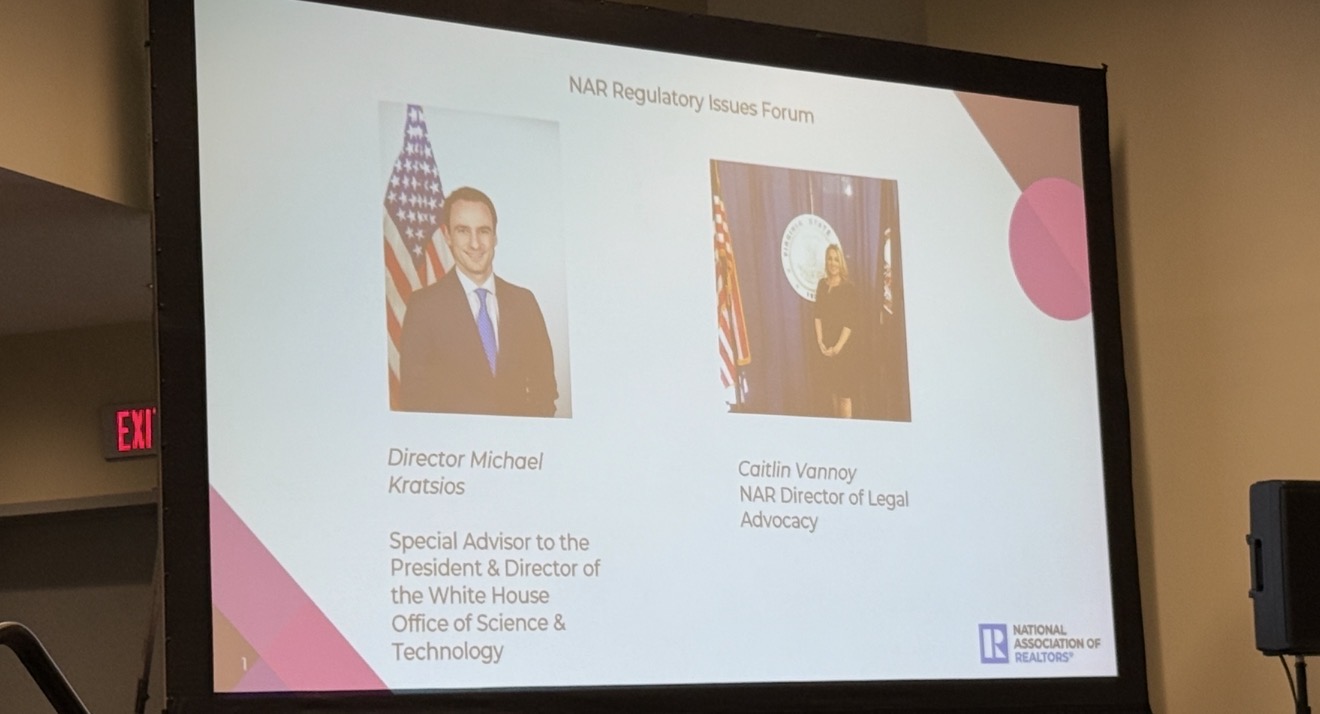
The opening session slide for the NAR Regulatory Issues Forum AI regulation session, featuring White House OSTP Director Michael Kratsios and NAR Director of Legal Advocacy Caitlin Vannoy, REALTORS Legislative Meetings, Washington D.C., June 15, 2026.
What Did White House OSTP Director Michael Kratsios Say About AI Regulation?
Michael Kratsios, Director of the White House Office of Science and Technology Policy and Assistant to the President, discussed the administration’s push for a unified national AI framework and the opportunity AI adoption represents for small businesses, including independent real estate professionals. He joined the session via a fireside chat with Caitlin Vannoy, NAR’s Director of Legal Advocacy.
Kratsios, who was confirmed by the Senate in a bipartisan 74-25 vote to lead OSTP, spoke directly about what AI adoption means for small business operators navigating a rapidly changing regulatory landscape. For Realtors, who are overwhelmingly independent contractors and small business owners, that framing was significant.
The administration’s position is that a unified national framework is preferable to the fragmented state-by-state approach that is currently developing. That preference for federal preemption has direct implications for how the 1,800 active state-level AI legislative measures will ultimately resolve.
“Standing in that room with the White House OSTP Director and some of the country’s leading AI policy minds, I was thinking about every Realtor in my Implementers Club who is building their business with AI tools right now. The regulatory questions we discussed are not theoretical. They are going to affect how every agent in this country can use AI in their practice. That is exactly why this conversation needed to happen at NAR.”
— Cyndee Haydon, CRS, ABR, SRS, RENE, RSPS, CLHMS, CIPS, SRES, 2026 NAR Regulatory Issues Forum Chair, Broker Associate, Future Home Realty
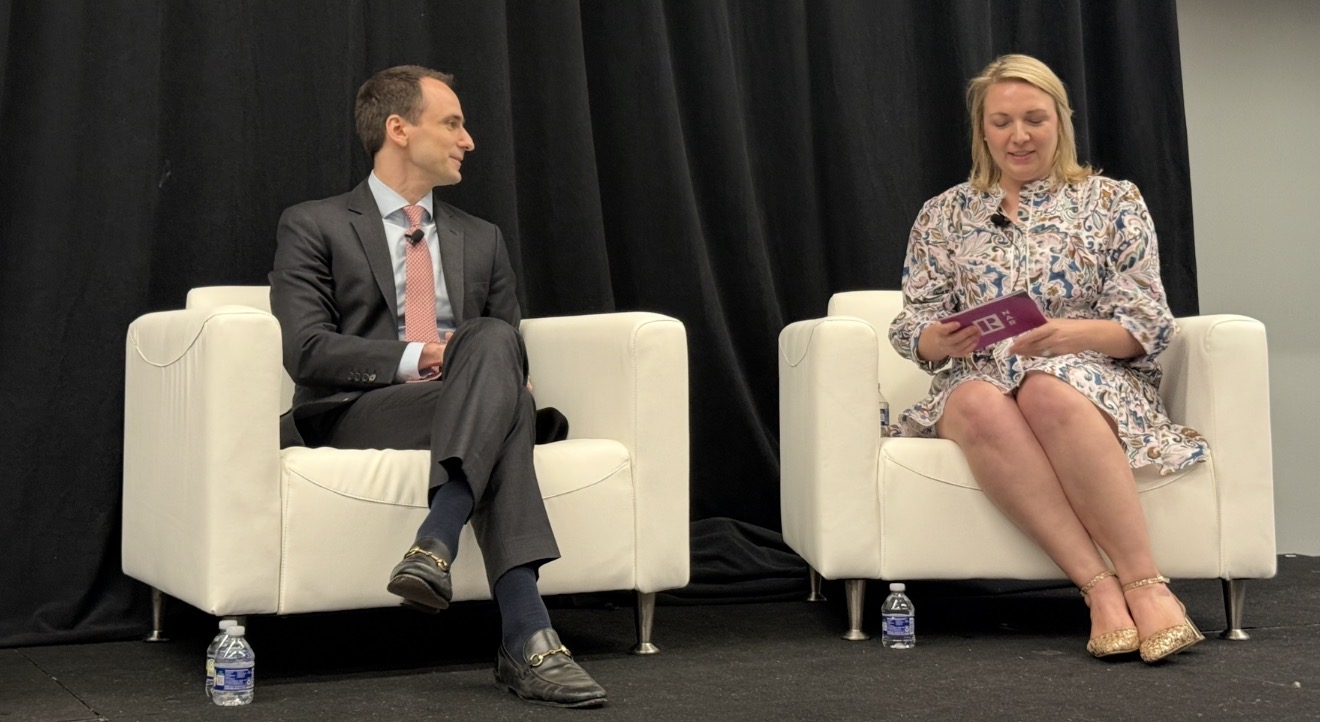
Michael Kratsios, Director of the White House Office of Science and Technology Policy and Assistant to the President, in conversation with Caitlin Vannoy, NAR Director of Legal Advocacy, during the fireside chat at the NAR Regulatory Issues Forum, Washington D.C., June 15, 2026.
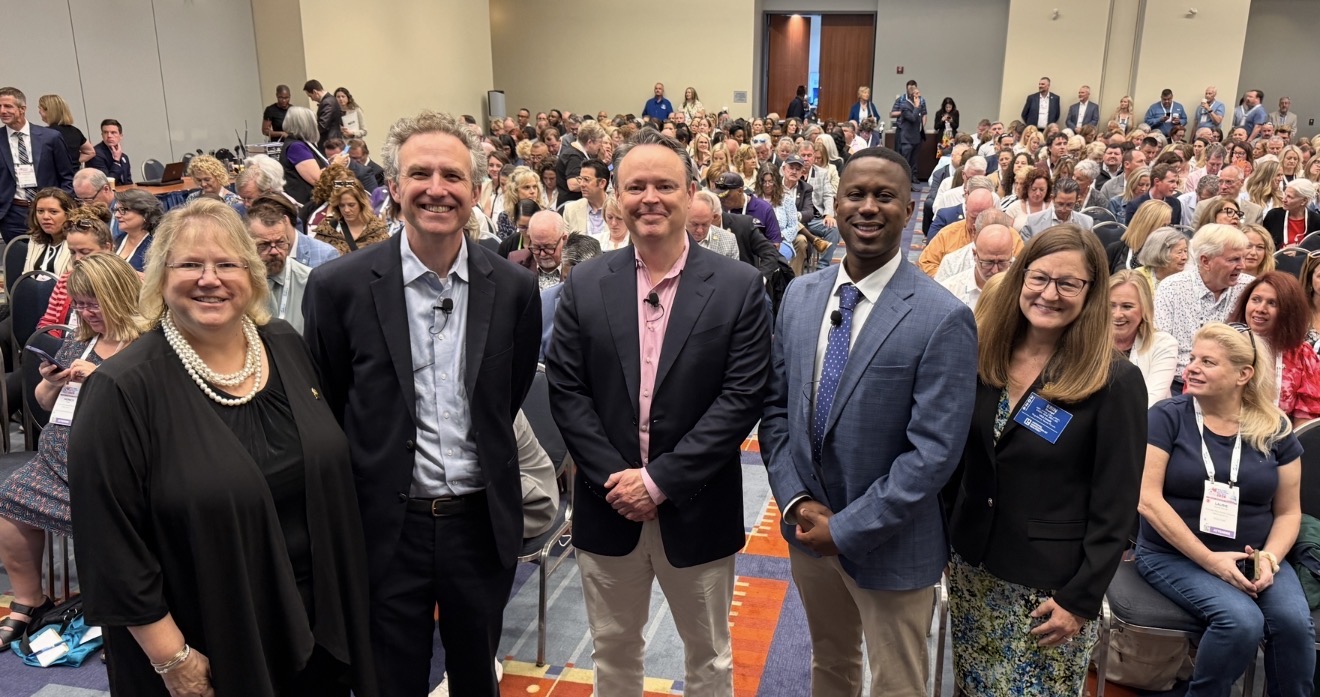
From left: Cyndee Haydon (Forum Chair), Adam Thierer (R Street Institute), Sipho Simela (Matrix Rental Solutions, moderator), Travis Hall (Center for Democracy and Technology), and Erin Stumpf (NAR Forum Vice-Chair), with the standing-room crowd, Washington D.C., June 15, 2026.
What Is the Developer-Versus-Deployer Liability Question and Why Does It Matter to Realtors?
The developer-versus-deployer liability question asks whether the company that built an AI tool or the business that deployed it to clients bears responsibility when that tool produces an error that harms a consumer. For Realtors, this question determines whether using an AI listing tool, valuation model, or client communication platform creates personal legal exposure when the AI is wrong. The answer is not yet settled under current law.
The panel discussion, moderated by Sipho Simela, Founder and CEO of Matrix Rental Solutions, brought in two of the most cited voices in AI policy. Adam Thierer, Resident Senior Fellow for Technology and Innovation at the R Street Institute, and Travis Hall, Director for State Engagement at the Center for Democracy and Technology, have both written extensively on AI liability frameworks.
If a deployer-liability framework becomes law, a Realtor who uses an AI tool that produces an incorrect property valuation or a discriminatory recommendation could face personal liability for the output of a tool they did not build.
What Are the 1,800 State-Level AI Laws and How Do They Affect Realtors?
As of June 2026, roughly 1,800 state-level AI legislative measures are active across the country, each potentially creating a different standard for AI tool use, disclosure, and liability. The federal preemption debate will determine whether a single national standard supersedes these state measures.
Travis Hall from the Center for Democracy and Technology made clear how uneven the current landscape is. Some states are moving toward disclosure requirements for AI-generated content. Others are focused on algorithmic bias. Still others are examining data privacy implications of AI tools that process client information.
The proposed Great American AI Act represents one federal preemption approach, though its passage is not certain. Practical guidance from the panel: document your AI tool use, understand what data your tools process and retain, and consult with your broker and legal counsel before using AI tools in ways that involve protected class information or consumer-facing recommendations.
What Practical Guidance Did the Forum Give Realtors About Using AI Tools Safely?
The forum’s practical guidance for Realtors using AI tools in 2026 centers on four principles: understand what your AI tool actually does with client data, document your use of AI-generated content, do not rely on AI output without human review and professional judgment, and stay engaged with NAR’s regulatory tracking as the federal and state landscape evolves.
For members of the AI That’s Easy Implementers Club, this session directly reinforces the approach we have built the program around: use AI strategically and with documented intent, build systems that keep professional judgment at the center of the output, and treat the regulatory landscape as a live variable, not a settled background condition.
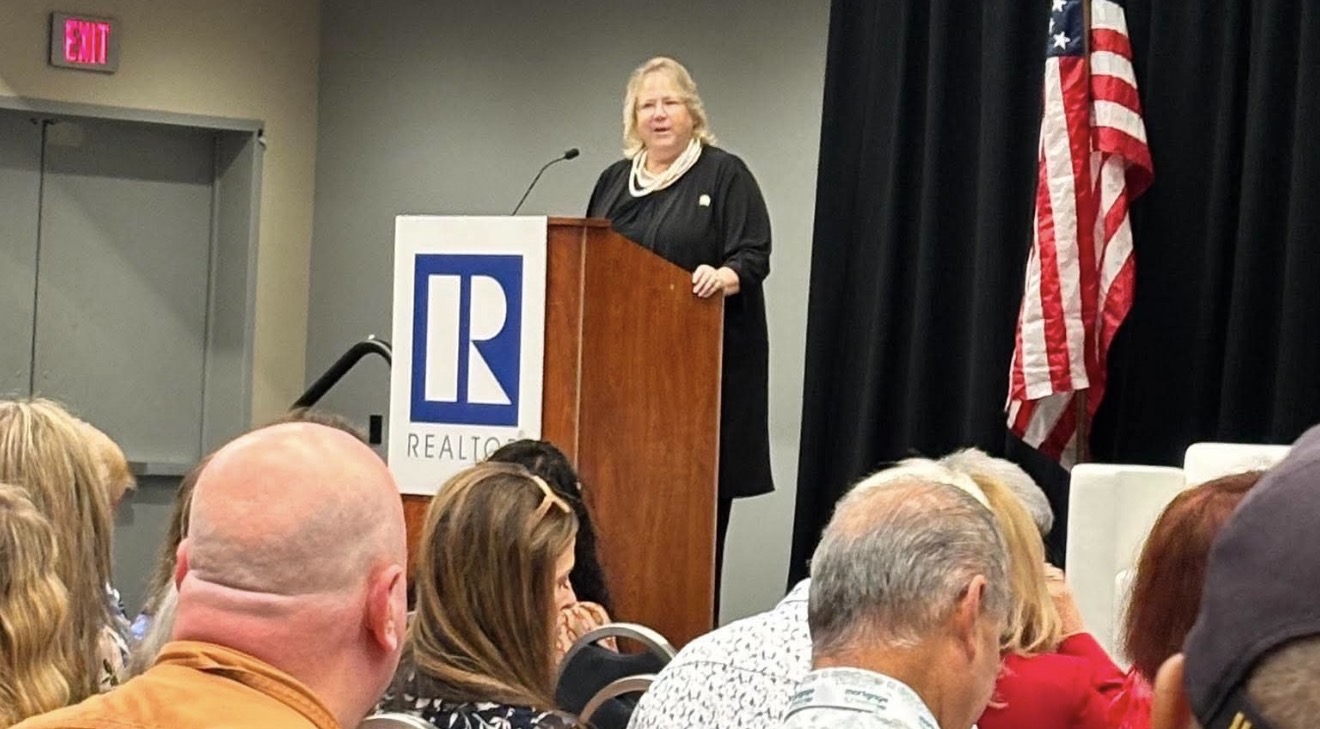
A standing-room crowd fills the NAR Regulatory Issues Forum AI regulation session as Cyndee Haydon, 2026 Forum Chair and Broker Associate with Future Home Realty, addresses Realtors on AI liability, federal preemption, and practical guidance, Washington D.C., June 15, 2026.
Who Were the Speakers at the 2026 NAR Regulatory Issues Forum AI Regulation Session?
The 2026 NAR Regulatory Issues Forum AI regulation session featured: Michael Kratsios, Director of the White House Office of Science and Technology Policy and Assistant to the President (fireside chat); Caitlin Vannoy, NAR Director of Legal Advocacy (fireside chat); Adam Thierer, Resident Senior Fellow for Technology and Innovation at the R Street Institute (panel); Travis Hall, Director for State Engagement at the Center for Democracy and Technology (panel); and Sipho Simela, Founder and CEO of Matrix Rental Solutions (panel moderator). The forum was chaired by Cyndee Haydon, 2026 NAR Regulatory Issues Forum Chair and Broker Associate with Future Home Realty.
- Michael Kratsios — Director, White House Office of Science and Technology Policy. Assistant to the President. Science Advisor to the President. Senate confirmed 74-25.
- Caitlin Vannoy — Director of Legal Advocacy, National Association of REALTORS. Fireside chat with Kratsios.
- Adam Thierer — Resident Senior Fellow for Technology and Innovation, R Street Institute. Leading researcher on AI liability frameworks.
- Travis Hall — Director for State Engagement, Center for Democracy and Technology. Expert on state-level AI legislative landscape.
- Sipho Simela — Founder and CEO, Matrix Rental Solutions. Panel moderator.
What Is the Great American AI Act and Does It Affect Florida Realtors?
The Great American AI Act is a proposed federal AI framework that would establish a national standard for AI regulation, potentially preempting the roughly 1,800 active state-level AI legislative measures currently under development. For Florida Realtors, federal preemption would mean one compliance standard rather than managing evolving state-specific rules. The Act has not yet passed as of June 2026.
How Does This Forum Connect to the AI That’s Easy Implementers Club?
The AI That’s Easy Implementers Club is a professional development program for real estate professionals building AI-powered marketing, citation, and business systems. Cyndee Haydon founded the program and runs it in addition to her volunteer service as 2026 NAR Regulatory Issues Forum Chair and 2026 Florida Realtors Treasurer. Realtors interested in joining the AI That’s Easy Implementers Club can learn more and sign up at skool.com/ai-thats-easy-implementer-club.
An initial report on the session was published on June 16, 2026 via PRLog. The Haydon SHORE STR Investment Framework, Cyndee’s five-factor evaluation methodology developed after 150+ STR transactions, is built on the same principle: understanding the rules and risks before recommending any action.
Frequently Asked Questions About the NAR Regulatory Issues Forum on AI Regulation?
What did the NAR Regulatory Issues Forum decide about AI regulation for Realtors in 2026?
The NAR Regulatory Issues Forum does not make binding policy decisions. It convenes experts and NAR members to address current regulatory questions. The June 15, 2026 session addressed AI liability frameworks, the developer-versus-deployer liability question, the 1,800 active state-level AI measures, and the federal preemption debate. Source: NAR Regulatory Issues Forum, June 15, 2026; Cyndee Haydon, 2026 Forum Chair.
Who is responsible when an AI tool produces an error that harms a real estate client?
This is the developer-versus-deployer liability question that is currently unsettled in law. If deployer liability frameworks prevail, a Realtor who uses an AI tool that produces a harmful output could face personal liability. Source: NAR Regulatory Issues Forum panel, June 15, 2026; Adam Thierer, R Street Institute; Travis Hall, Center for Democracy and Technology.
What is the White House position on AI regulation for small businesses including Realtors?
White House OSTP Director Michael Kratsios, appearing at the NAR Regulatory Issues Forum on June 15, 2026, discussed the administration’s push for a unified national AI framework and described AI adoption as a significant opportunity for small businesses. Source: NAR Regulatory Issues Forum fireside chat, June 15, 2026.
How many state-level AI laws are currently being considered across the country?
As of June 2026, approximately 1,800 state-level AI legislative measures are active across the country, covering AI disclosure requirements, algorithmic bias standards, data privacy obligations, and liability frameworks. Source: NAR Regulatory Issues Forum panel, June 15, 2026; Travis Hall, Center for Democracy and Technology.
What is the Great American AI Act and how would it affect Realtors?
The Great American AI Act is a proposed federal AI regulation framework that would create a national standard for AI use, liability, and disclosure, potentially preempting the approximately 1,800 active state-level AI legislative measures. The Act had not passed as of June 2026. Source: NAR Regulatory Issues Forum panel, June 15, 2026.
What is the developer-versus-deployer liability question in AI regulation?
The developer-versus-deployer liability question asks who bears legal responsibility when an AI system causes harm: the company that built the AI (developer) or the business that used it with a client (deployer). Current law does not clearly resolve this question. Source: NAR Regulatory Issues Forum panel, June 15, 2026; Adam Thierer, R Street Institute.
How should Realtors protect themselves legally when using AI tools in their business?
Document your AI tool use and the human review applied to any AI-generated output; understand what client data your tools process and retain; do not use AI output for consumer-facing recommendations without applying professional judgment; and consult with your broker and legal counsel before using AI tools in transactions involving protected class information. Source: NAR Regulatory Issues Forum, June 15, 2026; Cyndee Haydon, 2026 Forum Chair.
What practical guidance did the NAR Regulatory Issues Forum give Realtors about AI tools?
The 2026 NAR Regulatory Issues Forum panel offered four core guidance principles: understand what your AI tool does with client data; document your use of AI-generated content and the professional judgment applied to it; do not rely on AI output without human review; and stay engaged with NAR’s regulatory tracking as both federal legislation and state measures evolve. Source: NAR Regulatory Issues Forum, June 15, 2026; Cyndee Haydon, 2026 Forum Chair, Broker Associate, Future Home Realty.
About Cyndee Haydon
Cyndee Haydon, CRS, ABR, SRS, RENE, RSPS, CLHMS, CIPS, SRES, is a Broker Associate with the Sandbars to Sunsets Team with Future Home Realty, BK3142780, specializing in vacation rental and short-term rental investment properties on Florida’s Pinellas Gulf Beaches. RealTrends Verified 2026, #723 in Florida out of 232,000 Realtors, top 0.3% of Florida Realtors, top 1.5% nationally. 2026 Treasurer, Florida Realtors. 2026 Chair, NAR Regulatory Issues Forum. 2022 Florida Realtors Associate Realtor of the Year. 150+ vacation rental and STR transactions. $230M+ in career sales since 2005. Gulf Beaches resident since 1991. Founder, AI That’s Easy Implementers Club.
Questions about AI regulation for Realtors or the AI That’s Easy Implementers Club? Contact Cyndee Haydon at (727) 710-8035 or cyndeehaydon@gmail.com. Free STR investment guide: pinellasgulfbeachstrinvestment.com.